
When a home or commercial property needs significant work, the terms restoration and renovation are often used interchangeably. However, they describe two very different types of projects.
A renovation is generally planned because a property owner wants to update, improve, or change a building. Restoration, on the other hand, is typically necessary after something has damaged the property. A burst pipe, flooding, fire, smoke, mold, storm damage, or another unexpected event can require professional restoration to make the affected areas safe and usable again.
For homeowners and businesses in Portland, Oregon, understanding the difference between property restoration and renovation can help you determine what type of contractor you need, what work may be involved, and whether insurance could potentially play a role in paying for the project.
If you’re dealing with unexpected property damage, professional restoration services in Portland, Oregon focus on addressing the damage, cleaning affected areas, removing materials that cannot be saved, and completing the repairs necessary to restore the property.
What Is Property Restoration?
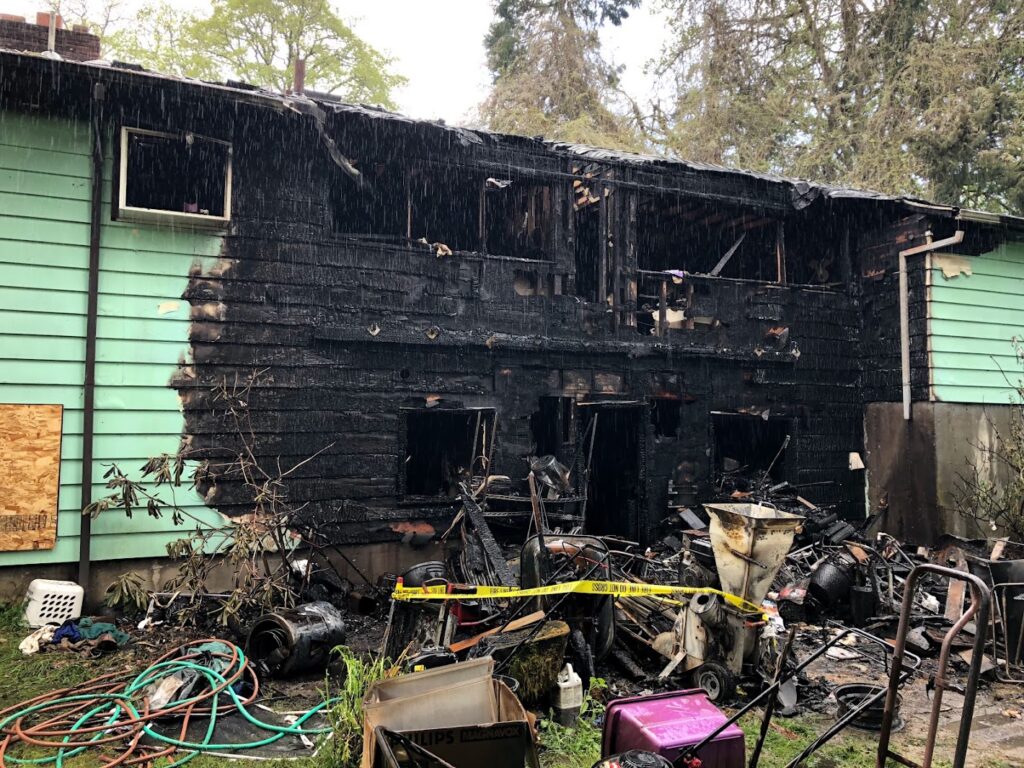
Property restoration is the process of repairing and recovering a building after it has been damaged.
The objective is generally to address the source and effects of the damage and return affected portions of the property to an appropriate condition. Depending on what happened, restoration can involve emergency response, water extraction, structural drying, smoke and soot cleanup, damaged-material removal, odor treatment, cleaning, repairs, and reconstruction.
Common reasons Portland property owners may need restoration include water damage, fire damage, smoke damage, mold growth, plumbing leaks, flooding, storm damage, sewage backups, and other unexpected property losses.
A Portland restoration company may become involved shortly after the damage occurs because acting quickly can sometimes help prevent the problem from spreading or causing additional damage.
What Is Renovation?
Renovation usually involves intentionally changing or improving a property rather than responding to unexpected damage.
For example, a homeowner may renovate a kitchen because it looks outdated, replace flooring to modernize the interior, remodel a bathroom, or redesign a portion of the home to better fit their needs.
Commercial property owners might renovate an office, retail space, restaurant, hotel, or other building to improve its appearance or accommodate a new use.
The key difference is that renovation is generally elective, while restoration is typically performed because damage has occurred and needs to be addressed.
You may want a new kitchen. You probably don’t want to replace your kitchen because a broken supply line flooded it.
That distinction helps explain why the processes can be very different.
Restoration vs. Renovation: What's the Main Difference?
The easiest way to understand restoration vs. renovation is to consider why the work is being performed.
Renovation begins with a goal for improvement or change. Restoration begins with a problem.
If you’re replacing perfectly functional cabinets because you want a new kitchen design, that’s renovation. If those cabinets need to be removed because a plumbing leak caused significant water damage, you’re dealing with restoration.
If you’re repainting your living room because you want a different color, that’s renovation. If walls and ceilings require cleaning, sealing, and repainting following smoke damage, that’s restoration.
Both projects can eventually involve contractors performing similar construction work, but the circumstances leading to that work—and the steps required before reconstruction—can be very different.
Water Damage Restoration in Portland
Water damage is one of the clearest examples of the difference between restoration and renovation.
Imagine a pipe bursts inside your Portland home and sends water through the kitchen and into surrounding rooms. Simply replacing the flooring and repainting the walls would not necessarily address the entire problem.
The restoration process may first require stopping the source of the water, extracting standing water, identifying affected materials, removing materials that cannot be saved, drying the structure, monitoring moisture levels, and preparing the area for repairs.
Only after those steps are completed can reconstruction begin.
Professional water damage restoration in Portland, Oregon focuses on dealing with the consequences of the water intrusion before rebuilding the affected portions of the property.
Renovation typically doesn’t require that emergency mitigation and drying process because there wasn’t an unexpected water loss to begin with.
Fire Damage Restoration Is More Than Remodeling
Fire damage provides another good example.
After a fire, the visible damage may only represent part of the problem. Smoke and soot can travel into areas of a building that were never directly touched by flames. Water used to extinguish the fire may also affect flooring, walls, ceilings, insulation, and other materials.
Professional fire damage restoration in Portland can therefore involve multiple stages.
Damaged materials may need to be removed, water may need to be extracted, affected areas may require drying, smoke and soot residues may need cleaning, and odors may require treatment before reconstruction begins.
A renovation contractor typically starts with a functional property and changes it. A restoration team may need to take a damaged property through cleanup and recovery before traditional construction work can even begin.
When Does Restoration Become Reconstruction?
Restoration and reconstruction frequently overlap.
After damaged materials have been removed and the affected area has been cleaned and dried, portions of the property may need to be rebuilt. Drywall, insulation, flooring, cabinets, trim, doors, paint, and other materials may need replacement.
For more serious losses, structural components may also require repair.
This stage can look similar to renovation because new building materials are being installed. The difference is that the reconstruction is necessary because the original materials were damaged.
A full-service property restoration company in Portland may be able to manage the project from initial damage mitigation through reconstruction, depending on the scope of work.
What About Mold Remediation?
Mold remediation is another area where property owners sometimes confuse restoration with ordinary remodeling.
If mold growth is discovered, simply covering the affected area with new drywall, flooring, or paint doesn’t address the underlying issue. The moisture source needs to be identified and corrected, and affected materials need to be evaluated.
The scope of a mold remediation project in Portland will depend on the extent and location of the affected area and the conditions responsible for the moisture.
Once remediation is complete, reconstruction may be necessary to replace materials that were removed.
This means a project that eventually looks like remodeling may have required a much different process to reach the reconstruction stage.
Does Homeowners Insurance Cover Restoration?
Insurance is another major difference between restoration and renovation.
Homeowners insurance generally isn’t intended to pay for elective improvements simply because you want to update your property. If you decide that you want new countertops, flooring, or cabinets, those improvements are normally your responsibility.
Restoration can be different because it often results from an unexpected property loss.
Whether a specific event is covered depends on your policy, the cause of the damage, exclusions, deductibles, and other circumstances. A sudden plumbing failure, for example, may be treated differently from damage resulting from long-term deterioration or maintenance problems.
If your Portland property has suffered significant damage, contact your insurance carrier to understand what your specific policy covers rather than assuming the entire restoration project will or will not be covered.
Documentation can also be important, so photographs, estimates, invoices, and records of the damage should be retained.
Restoration Projects Often Require Faster Action
Renovation can usually be planned around your schedule.
You might spend months selecting a contractor, comparing flooring, choosing cabinets, or deciding when you want construction to begin.
Property damage doesn’t provide that luxury.
If water is actively entering a building, sewage has backed up, or a fire has left portions of the structure exposed, immediate action may be necessary to protect the property and prevent additional damage.
That’s why homeowners often search for emergency restoration services in Portland rather than scheduling restoration weeks in advance.
The initial goal isn’t choosing finishes. It’s controlling the damage.
Once the property has been stabilized, there is generally more time to make decisions about repairs and reconstruction.
Portland's Climate Can Create Unique Restoration Needs
Portland’s wet climate makes moisture management particularly important for local property owners.
Heavy and prolonged rainfall can expose weaknesses in roofs, siding, flashing, windows, foundations, and drainage systems. Plumbing failures and appliance leaks can create additional sources of indoor water damage.
When moisture reaches drywall, insulation, flooring, wood framing, cabinets, and other materials, responding quickly can help limit how far the damage spreads.
Winter weather can create additional risks. Freezing conditions can contribute to pipe failures, while storms can damage roofing or other exterior components and allow water into the structure.
These conditions make professional water damage restoration in Portland an important resource for property owners dealing with unexpected moisture.
Renovation Is About Improvement; Restoration Is About Recovery
Homeowners may require residential restoration in Portland, Oregon, following many different types of property damage.
A washing machine hose can fail and flood a laundry room. A pipe can leak inside a wall. A kitchen fire can leave smoke and soot throughout surrounding rooms. A storm can damage the exterior and allow water inside.
Each situation requires a restoration plan based on the type and extent of damage.
The process may involve emergency mitigation, cleanup, drying, damaged-material removal, and reconstruction. The goal is to move the home from the initial loss through recovery while addressing the conditions caused by the event.
Can You Renovate During a Restoration Project?
Yes. In some cases, property owners decide to make upgrades while damaged portions of their home are already being reconstructed.
For example, imagine a kitchen suffers significant water damage and cabinets, flooring, and drywall must be replaced. Rather than recreating the exact previous design, the homeowner might decide to select different cabinets or flooring.
However, restoration and elective upgrades should be treated separately when appropriate, particularly when insurance is involved.
An insurance policy may cover qualifying repairs necessary to address covered damage but not necessarily the additional cost of upgrades the homeowner chooses to make.
Before adding renovation work to an insurance-related restoration project, understand which expenses are associated with restoring the damage and which are elective improvements.
Residential Restoration in Portland
Homeowners may require residential restoration in Portland, Oregon, following many different types of property damage.
A washing machine hose can fail and flood a laundry room. A pipe can leak inside a wall. A kitchen fire can leave smoke and soot throughout surrounding rooms. A storm can damage the exterior and allow water inside.
Each situation requires a restoration plan based on the type and extent of damage.
The process may involve emergency mitigation, cleanup, drying, damaged-material removal, and reconstruction. The goal is to move the home from the initial loss through recovery while addressing the conditions caused by the event.
Commercial Restoration in Portland
Restoration can be particularly complicated for commercial properties because downtime can directly affect business operations.
Offices, apartment buildings, retail centers, restaurants, warehouses, hotels, and other commercial properties may need restoration work coordinated around employees, customers, tenants, equipment, and inventory.
Professional commercial restoration in Portland, Oregon can involve water extraction, structural drying, fire and smoke cleanup, damaged-material removal, and reconstruction depending on the type of loss.
For businesses, responding quickly can be especially important because the objective isn’t only restoring the physical building. Minimizing disruption and getting affected portions of the property operational again may also be priorities.
When Should You Call a Restoration Company?
You should consider contacting a restoration company when your property has suffered damage that requires more than ordinary maintenance or cosmetic repairs.
Examples include significant water intrusion, flooding, fire and smoke damage, sewage contamination, storm-related property damage, or situations where moisture has entered walls, flooring, ceilings, or other building materials.
A Portland restoration contractor can evaluate the affected areas and help determine what needs to be cleaned, dried, removed, repaired, or reconstructed.
If the property is simply outdated and you want to improve its appearance or functionality, you’re more likely looking for a remodeling or renovation contractor.
Choosing a Restoration Company in Portland, Oregon
When your property has experienced an unexpected loss, look for a restoration company capable of handling the specific type of damage involved.
A qualified company should be able to explain what happened, which portions of the property are affected, what immediate steps are necessary, what materials may need to be removed, and what the expected restoration process looks like.
Communication is especially important because restoration projects can change as damaged materials are removed and previously concealed conditions become visible.
If you’re searching online for a restoration company near me, Portland water damage restoration company, fire restoration company in Portland, or property damage restoration in Portland, consider experience with both the initial mitigation process and the repairs that may follow.
Restoration Services in Portland, Oregon
Restoration and renovation can both involve substantial construction work, but they begin for very different reasons. Renovation is generally about intentionally improving or changing a property. Restoration is about recovering from damage and returning affected areas to a safe, usable condition.
For Portland homeowners and businesses dealing with water damage, fire damage, smoke damage, mold, storm damage, flooding, or another unexpected property loss, professional restoration can help guide the property from initial cleanup through repairs and reconstruction.
If you’re looking for property restoration in Portland, Oregon, water damage restoration in Portland, fire and smoke damage restoration, commercial restoration services, or an emergency restoration company in Portland, having the damage professionally evaluated is an important first step.
The sooner the extent of the damage is understood, the sooner a restoration plan can be developed to clean up the affected areas, address damaged materials, and begin moving your home or business toward recovery.
FAQs
Restoration repairs and recovers a property after unexpected damage such as water, fire, smoke, mold, flooding, or storms. Renovation is usually planned to improve, update, or change a property.
You should consider contacting a restoration company after significant water intrusion, flooding, fire or smoke damage, sewage contamination, storm damage, or moisture affecting walls, floors, ceilings, or other building materials.
Coverage depends on your policy, the cause of the damage, exclusions, deductibles, and other circumstances. Contact your insurance carrier to determine what your specific policy covers.
Yes. Property owners may choose upgrades while damaged areas are being reconstructed. However, insurance may cover necessary repairs without covering the additional cost of elective improvements.