
When your home or commercial property has been damaged by water, fire, smoke, mold, or another unexpected event, one of the first questions you are likely to ask is: How long will the restoration process take?
Unfortunately, there is no single timeline that applies to every property. A relatively small water-damage restoration project may move quickly, while extensive fire damage or a property requiring structural repairs can take considerably longer. The type of damage, how much of the property is affected, drying requirements, materials involved, insurance coordination, and necessary reconstruction all influence the restoration timeline.
For property owners in Bend, Oregon, acting quickly is particularly important. Central Oregon properties face everything from plumbing failures and appliance leaks to frozen pipes, winter storms, fires, smoke damage, and other events that can require professional restoration services.
Understanding the typical restoration process in Bend, Oregon can help you know what to expect and why some projects take longer than others.
How Long Does Property Restoration Usually Take?
A restoration project can take anywhere from several days to several weeks or longer depending on the extent of the damage. The important distinction is that restoration usually involves several different stages rather than one continuous repair.
A smaller water loss that is discovered quickly may primarily require water extraction, drying, cleaning, and relatively minor repairs. A major loss involving structural materials, extensive demolition, smoke contamination, or reconstruction will naturally require significantly more time.
The restoration company first needs to determine what was damaged and what can be saved. From there, the property may require emergency stabilization, water removal, drying, damaged-material removal, cleaning, repairs, and reconstruction.
For homeowners searching for property restoration in Bend, OR, the most accurate timeline will usually come after the initial inspection because the restoration team can evaluate the actual extent of the damage.
Step 1: Emergency Response and Damage Assessment
The first stage of the restoration process is determining what happened and making sure the property is safe to work in.
A professional restoration team will evaluate the affected areas, identify visible damage, determine what materials may have been impacted, and develop an initial plan for addressing the property.
For water damage, this may involve determining where water has traveled and which building materials are wet. Following a fire, the assessment may involve evaluating fire, smoke, soot, and water damage throughout different portions of the structure.
The size and complexity of the property can affect how long this stage takes. A small residential loss may be relatively straightforward, while a large commercial property or severely damaged structure can require a much more extensive assessment.
When dealing with emergency restoration in Bend, beginning this process quickly can help prevent the damage from becoming more extensive.
Step 2: Stopping the Source of the Damage
Before meaningful restoration can begin, the source of the problem needs to be controlled.
For water damage, that may mean repairing a leaking pipe, stopping an appliance leak, addressing a roof problem, or shutting off a damaged water supply. After a fire or severe storm, the property may require temporary stabilization before additional work can safely begin.
This step is important because restoration cannot be successful if new damage continues occurring.
For example, drying a wall while water is still entering from a plumbing leak will not solve the underlying problem. Similarly, repairing interior finishes before the exterior source of storm-related water intrusion has been corrected can lead to repeated damage.
A professional restoration company in Bend, Oregon can help determine which conditions need to be addressed before the restoration process moves forward.
How Long Does Water Damage Restoration Take?
The timeline for water damage restoration in Bend depends on how much water entered the property, how long it remained, and which materials became wet.
Water can move underneath flooring, behind drywall, into insulation, beneath cabinets, and through other concealed portions of a structure. What initially appears to be a small leak can sometimes affect a much larger area.
After standing water has been removed, affected materials may require several days of controlled drying and monitoring. However, drying is only one portion of the restoration process. If drywall, insulation, flooring, cabinets, trim, or other materials need to be removed and replaced, the complete restoration timeline will be longer.
A smaller water-damage project may take days, while a significant loss requiring demolition and reconstruction can take weeks or longer.
Water Extraction and Drying
When standing water is present, water extraction is generally one of the first priorities.
Removing as much water as possible helps begin the drying process and can reduce the amount of moisture that remains inside the structure. After extraction, professional drying equipment may be installed to remove moisture from affected materials and the surrounding environment.
Air movers, dehumidification equipment, and moisture-monitoring tools may be used depending on the conditions.
The drying process cannot always be rushed. Materials need to reach appropriate moisture conditions before reconstruction begins. Installing new flooring, drywall, or other finishes while excessive moisture remains can create additional problems later.
This is why water damage cleanup in Bend, Oregon involves more than simply removing visible water.
How Long Does Fire Damage Restoration Take?
Fire damage restoration in Bend can be more complicated than many other types of property restoration because several forms of damage may occur simultaneously.
A fire can directly damage structural components and interior finishes, while smoke and soot may spread into areas that were never touched by flames. Water used during firefighting efforts can create additional damage throughout the property.
As a result, fire restoration may involve structural evaluation, debris removal, water extraction, drying, soot removal, smoke cleaning, odor treatment, demolition, and reconstruction.
A relatively contained fire may require significantly less time than a major structural loss. When large portions of a home or commercial building require reconstruction, the project can extend for weeks or months depending on the circumstances.
The restoration timeline should therefore be based on the actual extent of damage rather than the size of the original fire alone.
Smoke and Soot Can Extend the Restoration Timeline
Smoke can travel far beyond the area where a fire occurred.
Soot and smoke residue may affect walls, ceilings, furniture, flooring, HVAC-related areas, and personal belongings. Different materials can also react differently to smoke contamination, requiring specialized cleaning methods.
Odor can create another challenge. Simply painting over smoke damage or using household air fresheners does not necessarily address smoke residue or contamination within affected materials.
Professional smoke damage restoration in Bend may involve detailed cleaning and deodorization before reconstruction or refinishing can be completed.
When smoke has spread throughout a large property, this cleaning stage can add considerable time to the overall restoration process.
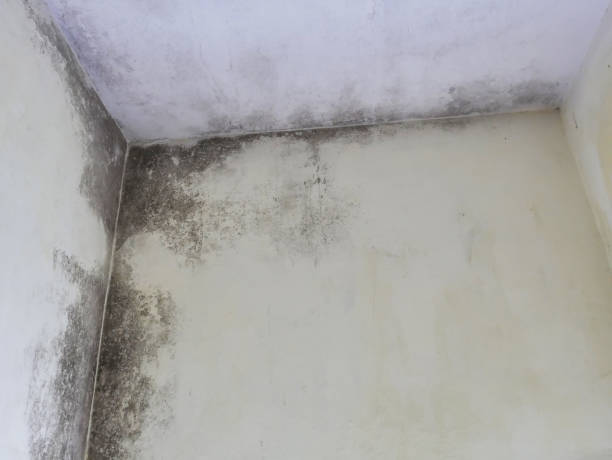
How Long Does Mold Remediation Take?
Mold-related projects have their own timelines because the underlying moisture problem must be addressed in addition to the affected materials.
The amount of visible growth, location of the affected area, materials involved, and source of moisture can all influence how long the project takes.
A smaller, contained area may be addressed relatively quickly, while extensive contamination behind walls, beneath flooring, or in multiple rooms can require a more involved remediation process.
The moisture source also needs to be corrected. If a plumbing leak, roof leak, or other ongoing moisture problem remains unresolved, simply removing affected materials does not address the underlying cause.
For property owners looking for mold remediation in Bend, Oregon, an inspection can help determine the scope of work and provide a more realistic timeline.
Demolition and Removal of Damaged Materials
Not every damaged building material can be restored.
Depending on the type and severity of the loss, drywall, insulation, flooring, cabinetry, trim, or other materials may need to be removed. Fire-damaged structural components and heavily contaminated materials may also require removal before reconstruction can begin.
Selective demolition can expose hidden areas and allow the restoration team to evaluate conditions that were not visible during the initial inspection.
This stage can sometimes reveal additional damage. For example, removing water-damaged drywall may uncover wet insulation or moisture within framing cavities. Removing flooring may reveal water that traveled underneath the finished surface.
When additional damage is discovered, the restoration plan and timeline may need to be adjusted.
Reconstruction Is Often the Longest Part of Restoration
Many people think the restoration process ends when the property is dry and clean. In reality, that may only mark the transition into reconstruction.
Once damaged materials have been removed and the structure is ready for repairs, reconstruction can begin. Depending on the loss, this might include replacing insulation, drywall, flooring, trim, cabinets, doors, paint, or other building materials.
Significant damage may require more extensive structural repairs.
Material availability, specialty products, scheduling, inspections, and the amount of construction required can all affect this stage.
For a small project, reconstruction may be relatively straightforward. For a major property damage restoration project in Bend, reconstruction can represent a substantial portion of the overall timeline.
Does Insurance Make Restoration Take Longer?
Insurance can influence the restoration timeline, particularly when a property has sustained extensive damage.
Property owners may need to document the damage, communicate with their insurance carrier, meet with an adjuster, and provide estimates or other information. Larger reconstruction projects may require additional communication regarding the scope and cost of repairs.
Property owners should report covered losses promptly and keep photographs, invoices, estimates, and other documentation associated with the damage.
However, emergency measures may need to begin before the entire insurance process is completed. Standing water, unsafe conditions, and other active problems may require immediate attention to help prevent additional damage.
When working with a Bend restoration company, ask how the company documents the project and what information may be available for your insurance claim.
Why Bend's Climate Can Affect Restoration
Central Oregon’s climate creates restoration challenges that are different from those found in many parts of the Pacific Northwest.
Bend experiences freezing winter temperatures that can contribute to frozen and burst pipes. Snow and ice can also create water-related problems when melting moisture enters a structure through vulnerable areas.
During warmer months, dry conditions and wildfire activity can create fire and smoke concerns throughout Central Oregon. Even properties that are not directly affected by flames may sometimes require evaluation or cleaning following significant smoke exposure.
These seasonal conditions make access to emergency restoration services in Bend, Oregon important for both homeowners and commercial property owners.
Residential Restoration in Bend
Residential restoration can range from cleaning up a small plumbing leak to rebuilding portions of a home after a significant fire.
For homeowners, the timeline is especially important because restoration work can disrupt bedrooms, kitchens, bathrooms, and other essential living spaces. In severe situations, portions of the home may temporarily be unusable.
A professional residential restoration company in Bend should explain the expected stages of the project and communicate when conditions or newly discovered damage change the estimated schedule.
Knowing what is happening at each stage can make a complicated restoration project easier to manage.
Commercial Restoration in Bend
Commercial properties introduce additional considerations because restoration work may affect employees, customers, tenants, inventory, equipment, and normal business operations.
Hotels, restaurants, retail buildings, offices, multifamily properties, healthcare facilities, warehouses, and other commercial buildings may require restoration work to be carefully coordinated to reduce disruption.
A commercial restoration company in Bend, Oregon can evaluate which areas require immediate attention and whether portions of the property can remain operational while work is completed.
Large commercial losses can take longer because of building size and complexity, but a coordinated restoration plan can help establish priorities and move the project through cleanup, drying, repair, and reconstruction.
What Can Delay the Restoration Process?
Even with an experienced restoration team, several factors can extend a project’s timeline.
Hidden damage is one of the most common. Once walls, flooring, or other materials are removed, additional moisture or structural damage may be discovered. Material availability can also affect reconstruction, particularly when specialty flooring, cabinetry, fixtures, or other products need to be ordered.
Insurance approvals, permits, inspections, subcontractor scheduling, and changes to the repair scope may also add time.
The type of damage matters as well. A straightforward water loss may move relatively quickly, while a property affected by fire, smoke, water, and structural damage simultaneously can require multiple specialized restoration processes.
Can the Restoration Process Be Made Faster?
The best way to reduce unnecessary delays is often to begin the restoration process as soon as possible.
Water continues moving through porous materials after a leak occurs. Smoke and soot can spread throughout a structure following a fire. Delaying an inspection may allow the affected area to become more difficult to restore.
Property owners can also help by providing access to affected areas, documenting damage, responding promptly to insurance requests, and making decisions about replacement materials when reconstruction begins.
However, certain parts of the process should not be rushed. Proper drying, cleaning, and preparation are important before reconstruction begins.
The goal should be to restore the property efficiently without skipping steps that could create additional problems later.
How Do You Know When Restoration Is Complete?
A restoration project is complete when the source of the original damage has been addressed, affected areas have been appropriately cleaned and dried, damaged materials have been repaired or replaced, and the property has been returned to the agreed-upon condition.
For water-related projects, this means more than simply having surfaces that feel dry. Moisture conditions within affected building materials need to be appropriately evaluated before repairs are completed.
For fire restoration, cleaning and reconstruction may need to address smoke, soot, odor, water damage, and direct fire damage.
A quality restoration contractor in Bend should be able to explain what work has been completed and what remains before the project is considered finished.
Emergency Restoration Services in Bend, Oregon
Property damage rarely occurs at a convenient time. A burst pipe can flood a home overnight, a fire can leave a property unsafe within minutes, and storm damage can expose portions of a building to additional moisture.
Responding quickly can help limit the extent of the damage and begin the recovery process sooner.
If you’re searching for emergency restoration in Bend, Oregon, water damage restoration in Bend, fire damage restoration in Bend, or a restoration company near me, having the property evaluated promptly can provide a clearer understanding of the damage and the expected restoration timeline.
How Long Will Your Restoration Project Take?
The most accurate answer depends on your specific property.
A smaller water-damage project may require only several days of mitigation and drying followed by relatively minor repairs. More extensive water, fire, smoke, mold, or structural damage may require weeks or longer to fully restore.
The size of the affected area, materials involved, amount of demolition required, drying conditions, reconstruction needs, insurance coordination, permits, inspections, and material availability can all influence the final timeline.
For homeowners and businesses needing property restoration in Bend, OR, the best first step is having the damage professionally evaluated. Once the extent of the loss is understood, a restoration team can provide a much more realistic estimate of the work required and how long the project may take.
Whether you’re dealing with a burst pipe, flooding, fire and smoke damage, mold concerns, or another unexpected event, professional restoration services in Bend, Oregon can help move your property from emergency cleanup through repairs and reconstruction so you can get back to using your home or business as quickly and safely as possible.
FAQs
The timeline depends on the type and severity of damage. Minor water or smoke damage may take several days, while extensive fire, mold, or structural damage can take several weeks or longer.
Water extraction and drying can often take a few days, but the complete restoration may take longer if walls, flooring, insulation, or other materials need to be repaired or replaced.
Yes. Fire restoration typically includes smoke and soot cleanup, odor removal, damaged-material removal, structural cleaning, and repairs needed to restore the property.
Mold remediation time varies based on the size of the affected area and the source of moisture. Small areas may be addressed within a few days, while larger contamination can require more extensive remediation and repairs.