
A strong foundation is essential to the safety, stability, and longevity of any home or commercial building. Over time, factors such as water damage, soil movement, fire damage, poor drainage, and natural settling can weaken a foundation and lead to structural concerns. While some issues may appear minor at first, delaying repairs can result in more extensive—and more expensive—damage.
If you own a home or commercial property in Bend, Oregon, understanding the warning signs of foundation problems and the methods used to reinforce a weakened foundation can help protect your investment.
At Fire Restoration, we help property owners recover from structural damage caused by fires, water intrusion, and other disasters. As part of the restoration process, foundation stabilization may be necessary to ensure the building is safe before reconstruction begins.
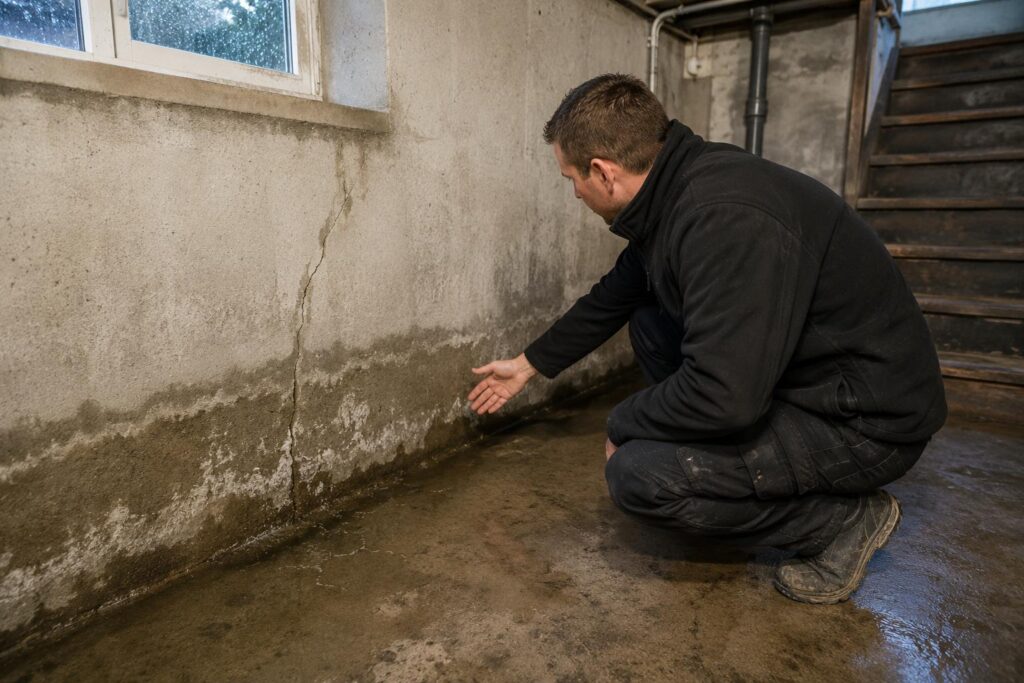
What Causes a Foundation to Become Weak?
Foundations are designed to support significant weight, but they can deteriorate over time due to environmental conditions, structural stress, or catastrophic events.
Some of the most common causes include:
- Water intrusion
- Poor drainage around the property
- Soil erosion
- Expansive or shrinking soils
- Fire damage that weakens structural components
- Plumbing leaks beneath the slab
- Tree root intrusion
- Freeze-thaw cycles
- Earthquakes or ground movement
- Improper original construction
In Central Oregon, seasonal weather changes and varying soil conditions can contribute to gradual foundation movement if moisture is not properly managed.
Signs Your Foundation May Need Reinforcement
Foundation damage often develops slowly. Identifying the warning signs early can prevent more serious structural problems.
Common indicators include:
- Cracks in foundation walls
- Stair-step cracks in brick or masonry
- Interior drywall cracks
- Uneven or sloping floors
- Doors or windows that stick
- Gaps around window frames
- Separation between walls and ceilings
- Cracked concrete slabs
- Water entering the basement or crawl space
Following a fire or significant water damage event, these issues should be evaluated by qualified professionals before reconstruction begins.
Why Professional Foundation Inspections Matter
Not every crack indicates structural failure, but every potential foundation issue deserves a professional assessment.
A comprehensive inspection may include:
- Measuring settlement
- Evaluating structural movement
- Identifying moisture intrusion
- Examining crawl spaces or basements
- Assessing concrete deterioration
- Reviewing drainage conditions
- Inspecting load-bearing walls
- Determining whether additional structural engineering is necessary
Accurate diagnosis allows contractors to recommend repairs that address the underlying cause rather than simply repairing cosmetic damage.
Common Methods Used to Reinforce a Weak Foundation
The appropriate repair method depends on the type of foundation, the extent of the damage, and the underlying cause.
Foundation Pier Systems
When foundations settle unevenly, steel piers or helical piers may be installed beneath the structure to transfer the building’s weight to more stable soil.
These systems can help stabilize the structure and, in some cases, lift portions of the foundation closer to their original position.
Slab Stabilization
Concrete slab foundations may benefit from stabilization techniques designed to address voids beneath the slab caused by erosion or soil movement.
These methods help restore support and reduce future settlement.
Crack Repair
Structural cracks may be repaired using specialized materials such as epoxy or polyurethane injection systems, depending on the type and severity of the crack.
Proper repairs help restore structural integrity while reducing moisture intrusion.
Drainage Improvements
Many foundation problems begin with poor water management.
Professional contractors may recommend:
- Regrading landscaping
- Installing French drains
- Extending downspouts
- Improving gutter systems
- Waterproofing foundation walls
Managing water around the structure helps reduce future movement and deterioration.
Structural Reinforcement
If fire, impact, or prolonged water damage has compromised structural framing, additional reinforcement may be necessary before rebuilding can safely continue.
This may include strengthening load-bearing components or replacing damaged structural materials.
The Role of Fire Restoration in Foundation Recovery
After a significant fire, attention is often focused on visible damage such as charred framing, smoke residue, and roof repairs. However, intense heat, firefighting water, and structural collapse can also affect a building’s foundation.
During the restoration process, professionals evaluate whether:
- Structural loads have shifted
- Concrete has been compromised
- Water infiltration has weakened supporting soils
- Foundation cracks developed during the event
- Additional stabilization is required before reconstruction
Addressing these issues early helps ensure the restored structure remains safe for years to come.
Why Prompt Repairs Are Important
Ignoring foundation problems can lead to:
- Worsening structural movement
- Larger foundation cracks
- Water intrusion
- Mold growth
- Damaged flooring
- Plumbing problems
- Roof and framing stress
- Higher repair costs
Timely stabilization helps preserve the structural integrity of the building and can reduce the scope of future repairs.
Choosing a Foundation Restoration Contractor in Bend
Foundation repairs require specialized knowledge and careful planning.
When selecting a restoration company, look for:
- Licensed and insured professionals
- Experience with structural restoration
- Fire and water damage expertise
- Comprehensive property inspections
- Clear repair recommendations
- Quality workmanship
- Strong local reputation
Working with an experienced restoration contractor helps ensure that foundation repairs are properly coordinated with the overall rebuilding process.
Foundation Stabilization and Structural Restoration in Bend, OR
A weakened foundation doesn’t always require replacing the entire structure, but it should never be ignored. Whether foundation movement is caused by water damage, soil settlement, or a recent fire, professional evaluation is the first step toward protecting your property.
At Fire Restoration, we provide comprehensive structural restoration services for homeowners and commercial property owners throughout Bend, OR, as well as Redmond, Sisters, Prineville, Sunriver, La Pine, and surrounding Central Oregon communities. Our experienced team assesses structural damage, coordinates necessary repairs, and helps restore buildings safely following fire, water, and storm-related events.
If you’ve noticed signs of foundation damage or your property has recently experienced a fire or other disaster, contact Fire Restoration today to schedule a professional inspection and develop a restoration plan tailored to your property.
FAQ's
How do I know if my foundation needs reinforcement?
Common signs include foundation cracks, uneven floors, sticking doors or windows, and gaps around walls or ceilings. A professional inspection can determine the cause and the appropriate repair.
Can water damage weaken a building’s foundation?
Yes. Poor drainage, plumbing leaks, and excess moisture can erode soil and cause foundation settlement, leading to structural instability over time.
What is the best way to reinforce a weak foundation?
The best solution depends on the cause of the damage. Common methods include foundation piers, slab stabilization, crack repair, and improved drainage systems.
Should a foundation be inspected after a fire?
Yes. High heat, structural stress, and firefighting water can affect a foundation’s stability. A professional inspection helps identify hidden damage before rebuilding begins.
Can foundation problems get worse if left untreated?
Yes. Delaying repairs can lead to larger cracks, structural movement, water intrusion, and more expensive restoration work in the future.