
Water damage is one of the most common and potentially destructive problems affecting homes and commercial properties. A small plumbing leak, damaged roof, malfunctioning appliance, or drainage problem can quickly lead to damaged flooring, drywall, insulation, furniture, and other building materials.
Some water damage happens suddenly, such as when a pipe bursts or a washing machine supply line fails. Other problems develop gradually and may remain hidden behind walls, underneath flooring, or inside ceilings until significant damage has already occurred.
Understanding the most common causes of water damage can help property owners recognize warning signs, take preventive action, and respond quickly when a problem occurs. Here are nine of the leading causes of water damage and practical steps you can take to reduce your risk.
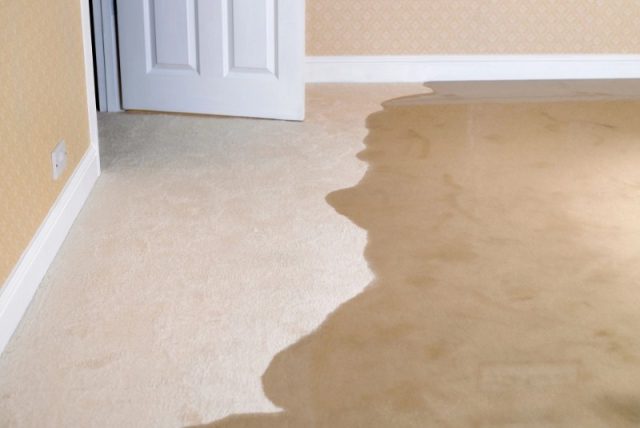
Plumbing Failures
Plumbing problems are one of the most common causes of water damage in homes and commercial buildings.
Burst pipes, leaking supply lines, damaged fittings, overflowing toilets, deteriorated plumbing, and failed connections can release significant amounts of water into a property. Some plumbing failures are immediately obvious, while slow leaks may remain concealed inside walls, cabinets, ceilings, or floors.
Cold temperatures can also increase the risk of frozen and burst pipes. When water freezes inside a pipe, it expands and creates pressure that can damage the pipe or its connections.
Regularly inspect exposed plumbing for corrosion, moisture, dripping water, or other signs of deterioration. Pay attention to unexplained increases in water usage, staining on walls or ceilings, and musty odors that could indicate a concealed leak.
Addressing small plumbing problems early can help prevent a minor leak from becoming a major water damage restoration project.
Appliance Malfunctions
Many household appliances rely on water connections, which means a malfunction can quickly cause significant water damage.
Washing machines, dishwashers, refrigerators, water heaters, and other appliances can develop leaks due to damaged hoses, loose fittings, clogged drains, deteriorated seals, or mechanical failures.
Washing machine supply hoses are particularly important to monitor because a failed connection can release a large amount of water in a short period of time.
Water heaters can also cause substantial damage when tanks or connections begin leaking. Older units should be inspected regularly for corrosion, moisture around the base, or other signs of deterioration.
Check appliance connections periodically and replace worn or damaged components when necessary. If you notice water collecting around an appliance, don’t ignore it. Determining the source early can help limit damage to surrounding floors, walls, cabinets, and other materials.
Roof Leaks
Your roof is one of your property’s primary defenses against rain and other weather conditions. When roofing materials, flashing, penetrations, or drainage components become damaged, water can enter the building.
Roof leaks may result from missing or damaged shingles, deteriorated flashing, failed seals around penetrations, clogged gutters, storm damage, or aging roofing materials.
One of the challenges with roof leaks is that the location where water appears inside the building may not be directly below the point where it entered. Water can travel along framing or other building components before becoming visible on a ceiling or wall.
Regular roof inspections can help identify damaged materials before significant water intrusion occurs. Gutters and downspouts should also be kept clear so water can drain away properly.
If you notice ceiling stains, bubbling paint, damp insulation, or active dripping during rain, address the problem as quickly as possible.
Natural Disasters
Heavy rain, storms, snowmelt, and flooding can overwhelm drainage systems and expose properties to significant amounts of water.
During severe weather, water may enter through doors, windows, foundations, roofing systems, or other vulnerable areas. Properties in low-lying locations or areas with inadequate drainage may face an increased risk of flooding.
While severe weather can’t be prevented, property owners can take steps to reduce potential damage.
Keep gutters and downspouts clear, make sure water drains away from the foundation, maintain exterior seals, and inspect vulnerable areas before periods of severe weather.
Properties with basements or known groundwater concerns may also benefit from properly maintained sump pump systems.
If significant flooding does occur, professional water damage restoration may be necessary to remove standing water, dry affected materials, and evaluate the extent of the damage.
Foundation Issues
Water around a building’s foundation can eventually find its way into basements, crawl spaces, and other areas.
Foundation cracks, improper grading, clogged drainage systems, damaged foundation waterproofing, and poor downspout placement can all contribute to moisture problems.
The landscaping surrounding a building should generally direct water away from the structure rather than allowing it to collect against the foundation.
Downspouts should also discharge water far enough away that it doesn’t immediately flow back toward the building.
Regularly inspect basements and crawl spaces for dampness, staining, standing water, musty odors, or other signs of moisture intrusion.
Finding and addressing drainage problems early can help prevent recurring water damage and deterioration of building materials.
HVAC System Problems
Heating, ventilation, and air-conditioning systems can also be a source of unexpected water damage.
Air-conditioning systems produce condensation as part of normal operation. That moisture is typically collected and directed away through a condensate drain.
If the drain becomes clogged, damaged, or disconnected, water may overflow and collect around the HVAC equipment.
Depending on the location of the system, an HVAC leak can damage ceilings, walls, insulation, flooring, and surrounding building materials before the problem is discovered.
Routine HVAC maintenance can help reduce this risk. Condensate lines, drain pans, and surrounding areas should be inspected periodically for clogs, corrosion, standing water, or other signs of trouble.
If water is discovered around HVAC equipment, determine the source promptly rather than allowing moisture to remain in contact with building materials.
Basement Flooding
Basements are particularly vulnerable to water damage because they are located below ground level.
Heavy rain, groundwater, foundation cracks, drainage problems, sump pump failures, plumbing leaks, and sewer backups can all contribute to basement flooding.
Even a relatively small amount of standing water can damage carpeting, drywall, furniture, stored belongings, insulation, and other materials.
Preventive measures can include maintaining gutters and downspouts, correcting exterior grading problems, inspecting foundation walls, maintaining sump pumps, and addressing known drainage issues.
Homeowners with sump pumps should test them periodically to make sure they operate correctly when needed.
When significant basement flooding occurs, removing the visible water is only the first step. Affected materials and concealed spaces may also need to be properly dried to prevent additional damage.
Broken or Leaking Windows
Windows can become a source of water intrusion when seals, flashing, frames, or surrounding materials deteriorate.
During periods of rain and wind, water may enter through gaps around the window or deficiencies in the surrounding exterior wall assembly.
Signs of window-related water intrusion can include staining around the frame, peeling paint, damaged drywall, condensation, soft materials, or visible water during rain.
Small leaks shouldn’t be ignored simply because they produce limited amounts of visible water. Repeated moisture exposure can gradually damage surrounding materials.
Inspect windows periodically for damaged sealant, deterioration, gaps, or other visible problems. If recurring leakage occurs, the source should be identified and corrected rather than repeatedly repairing only the interior damage.
Inadequate Exterior Drainage
Poor exterior drainage can expose a property to repeated water problems.
Improper grading, clogged gutters, short downspouts, damaged drainage systems, and areas where water consistently pools near the structure can increase the likelihood of foundation and basement moisture problems.
After heavy rain, walk around the exterior of your property and look for standing water or areas where runoff flows toward the building.
Gutters should direct roof runoff into properly positioned downspouts, and drainage systems should move water away from the foundation.
Landscaping can also affect drainage. Soil settlement over time may change the slope around a building and cause water to collect in areas that previously drained properly.
Correcting drainage issues before they cause interior water intrusion is generally easier than repeatedly repairing water damage after it occurs.
What to Do When Water Damage Occurs
Even with proper maintenance, water damage can still happen.
When it does, responding quickly can help limit the extent of the damage. If it is safe to do so, identify and stop the water source. This might involve shutting off the property’s main water supply or turning off the supply to a leaking fixture or appliance.
Avoid entering areas where standing water may be in contact with electrical systems or where structural conditions appear unsafe.
Once the source has been controlled, water removal and drying should begin as soon as practical. Moisture can move into drywall, insulation, flooring, framing, cabinets, and other porous materials that may not appear wet from the surface.
Professional restoration equipment can be used to remove water, monitor moisture levels, dry affected areas, and determine which materials can be restored and which may require removal.
Why Fast Water Damage Restoration Matters
The longer water remains inside a building, the greater the opportunity for it to spread into surrounding materials.
Fast action can help limit damage to flooring, drywall, insulation, cabinetry, furniture, and structural components. It can also help reduce the likelihood of secondary moisture-related problems developing.
A professional water damage restoration company can evaluate the affected areas, remove standing water when necessary, establish drying equipment, monitor moisture conditions, and help restore damaged portions of the property.
The appropriate restoration process depends on the source of the water, how long materials have been wet, and the extent of the affected area.
The Bottom Line
Water damage can result from many different sources, but plumbing failures, appliance leaks, roof problems, severe weather, foundation issues, HVAC malfunctions, basement flooding, leaking windows, and inadequate drainage are among the most common.
Regular inspections and preventive maintenance can reduce the likelihood of many of these problems. Check plumbing and appliances for leaks, maintain your roof and gutters, monitor your foundation and drainage, and address signs of moisture as soon as they appear.
Most importantly, don’t ignore small leaks. What appears to be a minor water problem can sometimes extend into walls, flooring, ceilings, or other concealed areas.
If your home or business experiences significant water intrusion, professional water damage restoration services can help identify affected areas, remove water, dry the structure, and begin the process of restoring your property.