
When water damage occurs, most homeowners focus on removing standing water and drying visible surfaces. While water extraction is an essential first step, it is only part of the restoration process. Hidden moisture can remain trapped inside walls, flooring, insulation, and structural materials long after standing water has been removed. This is where dehumidifiers play a critical role.
Professional dehumidification is one of the most important components of water damage restoration in Bend. Without proper moisture removal, homes and businesses can face mold growth, structural damage, unpleasant odors, and long-term indoor air quality issues. At Fire Experts, we use commercial-grade dehumidification equipment to help ensure properties are thoroughly dried following water damage events.
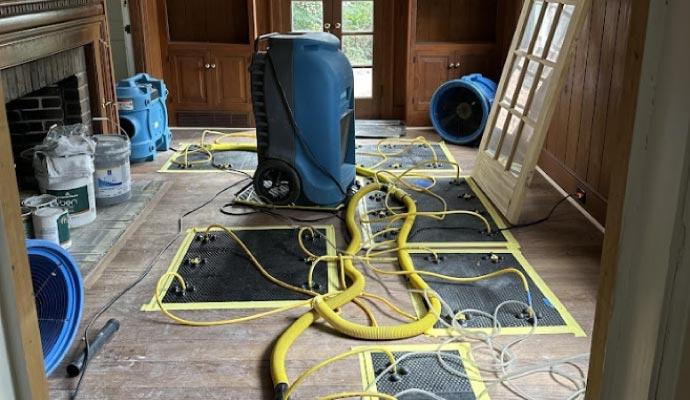
Why Moisture Removal Matters
After a burst pipe, appliance leak, flood, or other water intrusion event, moisture doesn’t simply disappear when visible water is removed. Water can become absorbed into building materials and remain trapped for days or even weeks.
Common areas where moisture can hide include:
- Drywall
- Insulation
- Hardwood flooring
- Carpet padding
- Subfloors
- Wood framing
- Cabinets
If this moisture is not properly removed, it can continue causing damage long after the initial water event has occurred.
Professional water damage restoration in Bend focuses on removing both visible water and hidden moisture to fully protect the property.
What Does a Dehumidifier Do?
A dehumidifier removes excess moisture from the air. As wet building materials release moisture during the drying process, humidity levels inside the structure increase significantly.
Without dehumidification, moisture simply circulates through the environment and may be reabsorbed by surrounding materials.
Commercial dehumidifiers work by:
- Pulling humid air into the machine
- Removing moisture from the air
- Collecting or draining the water
- Releasing dry air back into the environment
This process helps accelerate drying and prevents additional moisture-related damage.
The Difference Between Household and Commercial Dehumidifiers
Many homeowners own small portable dehumidifiers and assume they can handle water damage restoration on their own.
While residential units may help with minor humidity issues, they are not designed for significant water damage situations.
Professional restoration companies use commercial-grade dehumidifiers that:
- Remove substantially more moisture
- Operate continuously
- Dry large areas efficiently
- Work alongside air movers and extraction equipment
- Monitor humidity levels accurately
Professional water mitigation in Bend often requires specialized equipment to achieve proper drying conditions.
Preventing Mold Growth
One of the most important reasons dehumidifiers are used during water damage restoration is mold prevention.
Mold thrives in damp environments and can begin growing within 24 to 48 hours after water exposure. Elevated humidity levels create ideal conditions for mold colonies to develop behind walls, beneath flooring, and within building materials.
Professional dehumidification helps:
- Lower indoor humidity
- Reduce moisture levels
- Limit mold growth opportunities
- Improve drying efficiency
By controlling moisture levels early, restoration professionals can significantly reduce the risk of mold-related problems.
Protecting Structural Materials
Excess moisture can damage a wide variety of building materials.
Without proper drying, homeowners may experience:
- Warped hardwood floors
- Swollen cabinets
- Buckled laminate flooring
- Damaged drywall
- Wood rot
- Structural deterioration
Dehumidifiers play a critical role in protecting these materials by removing moisture before permanent damage occurs.
Many properties that receive immediate water damage restoration in Bend can avoid costly replacement expenses simply because proper drying equipment was used early in the process.
Supporting Structural Drying
Dehumidifiers work together with air movers during the structural drying process.
Air movers increase airflow across wet surfaces, helping moisture evaporate into the air. Dehumidifiers then remove that moisture from the environment.
This partnership creates a continuous drying cycle that helps:
- Speed up drying times
- Improve restoration efficiency
- Reduce moisture content in building materials
- Minimize secondary damage
Without dehumidifiers, air movers alone may simply redistribute moisture throughout the property.
Improving Indoor Air Quality
Excess humidity can negatively affect indoor air quality.
High moisture levels often contribute to:
- Musty odors
- Mold growth
- Mildew development
- Poor air circulation
Professional dehumidification helps create a healthier indoor environment by reducing excess moisture and supporting better air quality throughout the restoration process.
This is especially important following significant flooding or water intrusion events.
Moisture Monitoring During Restoration
Successful water damage restoration requires more than simply placing drying equipment and waiting.
Professional restoration teams use moisture meters, hygrometers, and thermal imaging cameras to monitor drying progress and determine when materials have reached acceptable moisture levels.
These tools allow technicians to:
- Measure humidity levels
- Track drying progress
- Identify hidden moisture
- Adjust equipment placement
- Confirm complete drying
Professional monitoring ensures that no moisture is left behind.
Common Water Damage Situations That Require Dehumidification
Many types of water damage restoration projects rely heavily on commercial dehumidifiers.
Common examples include:
- Burst pipes
- Flooded basements
- Appliance failures
- Water heater leaks
- Roof leaks
- Storm damage
- Sewage backups
- Overflowing fixtures
Regardless of the source, controlling moisture is essential to preventing long-term damage.
Why Professional Water Damage Restoration in Bend Is Important
Water damage restoration involves much more than removing standing water. Proper drying requires specialized equipment, training, and monitoring to ensure that hidden moisture is completely eliminated.
Professional restoration services help:
- Prevent mold growth
- Protect structural materials
- Improve indoor air quality
- Reduce restoration costs
- Accelerate recovery times
Attempting to dry a property without professional equipment often leaves moisture behind, increasing the likelihood of future problems.
Trust Fire Experts for Water Damage Restoration in Bend
At Fire Experts, we provide professional water damage restoration in Bend using advanced extraction equipment, commercial air movers, and industrial dehumidifiers. Our experienced team understands how to properly dry structures, monitor moisture levels, and prevent long-term damage following water intrusion events.
Whether you’re dealing with a burst pipe, flooding, appliance leak, or storm damage, we are ready to help restore your property quickly and efficiently.
Contact Fire Experts Today
If your home or business has experienced water damage, don’t wait for hidden moisture to cause additional problems. Contact Fire Experts today for professional water damage restoration in Bend and let our team help protect your property through expert drying, dehumidification, and restoration services.
FAQ's
Q1: Why isn't removing standing water enough after a flood or leak?
Standing water removal is only the first step. Moisture often gets absorbed into drywall, insulation, subfloors, and wood framing, where it can remain trapped for days or even weeks if not properly dried. Without professional dehumidification, this hidden moisture continues causing damage long after the visible water is gone.
Q2: Can I use a regular household dehumidifier instead of hiring a professional?
Portable household dehumidifiers can help with minor humidity issues, but they aren’t built to handle significant water damage. Commercial-grade dehumidifiers remove far more moisture, run continuously, and work alongside air movers and extraction equipment to dry large areas efficiently, something residential units simply aren’t designed to do.
Q3: How do dehumidifiers help prevent mold after water damage?
Mold can begin growing within 24 to 48 hours after water exposure, especially in damp, humid conditions. Professional dehumidification lowers indoor humidity and moisture levels quickly, which limits the conditions mold needs to develop behind walls, under flooring, and inside building materials.
Q4: How do technicians know when a property is fully dry after restoration?
Restoration professionals don’t just rely on visual checks. They use moisture meters, hygrometers, and thermal imaging cameras to measure humidity, track drying progress, and confirm that materials have reached safe moisture levels before considering the job complete.