
The Difference Between Wet Smoke and Dry Smoke Damage in Portland Homes
After a fire, the visible damage is only part of the problem. Smoke residue can linger long after flames are extinguished, affecting walls, ceilings, furniture, and HVAC systems. Understanding the difference between wet smoke and dry smoke damage is essential when planning proper cleanup and restoration. For homeowners and businesses needing smoke damage restoration in Portland, knowing the type of smoke involved helps determine the right remediation approach.
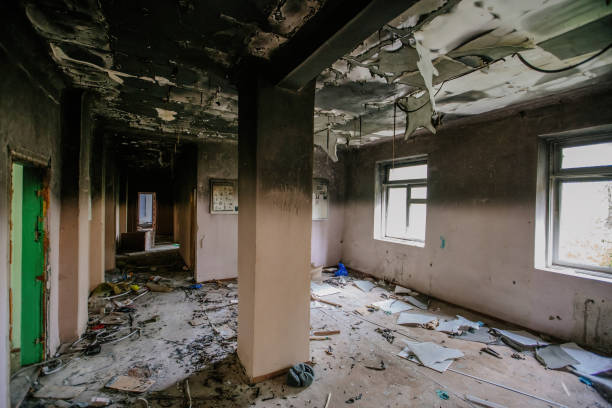
What Is Dry Smoke Damage?
Dry smoke is produced by fast-burning, high-temperature fires. These fires often involve paper, wood, and other dry materials. Because the fire burns quickly, the smoke residue left behind is typically light, powdery, and less sticky than wet smoke.
However, dry smoke particles are extremely fine. They can easily penetrate porous materials like drywall, insulation, fabrics, and HVAC systems. This makes cleanup more complex than it may initially appear.
Common characteristics of dry smoke damage include:
- Light gray or black powdery residue
- Minimal smearing when touched
- Strong lingering odor
- Smoke infiltration into vents and hidden spaces
Even though dry smoke may look easier to clean, improper removal can spread particles throughout the property. Professional fire damage restoration in Portland ensures thorough cleaning using specialized equipment.
What Is Wet Smoke Damage?
Wet smoke results from low-temperature, slow-burning fires. These types of fires often involve synthetic materials such as plastics, rubber, or wiring. Because the fire burns slower, the smoke contains higher moisture levels and sticky residue.
Wet smoke is significantly more difficult to clean. It leaves behind thick, greasy, and smearing soot that adheres tightly to surfaces.
Common characteristics of wet smoke damage include:
- Thick, black, sticky residue
- Strong, pungent odor
- Smearing when wiped
- Heavy staining on walls and ceilings
Wet smoke damage often requires aggressive cleaning techniques and specialized chemicals. Attempting DIY cleanup can make stains worse and spread contamination.
Why Identifying the Type of Smoke Matters
Choosing the wrong cleaning method can permanently damage surfaces. For example:
- Using water-based cleaners on dry smoke may cause streaking.
- Using improper tools on wet smoke can push residue deeper into materials.
Professional smoke damage restoration in Portland teams evaluate the type of smoke before beginning cleanup. This ensures the correct removal methods are used to protect your property.
Health Risks Associated with Smoke Damage
Both wet and dry smoke residue contain toxic particles. Breathing in these particles can cause respiratory irritation, headaches, and long-term health issues.
In Portland’s climate, moisture can combine with smoke residue, increasing the risk of mold growth if not properly addressed. That’s why immediate fire damage restoration in Portland is critical after any fire incident, even small kitchen or electrical fires.
How Professionals Handle Smoke Damage in Portland
Restoration professionals use advanced tools and techniques to remove smoke damage safely and effectively. Services may include:
- HEPA vacuuming to remove fine particles
- Chemical sponge cleaning for soot removal
- Thermal fogging and ozone treatment for odor elimination
- HVAC system cleaning to remove smoke contamination
- Surface sealing and repainting
Whether dealing with dry or wet smoke, certified Portland fire restoration companies follow strict industry standards to restore homes and businesses.
The Importance of Fast Action
The longer smoke residue remains on surfaces, the more damage it can cause. Acidic soot can corrode metals, discolor paint, and permanently stain materials within hours.
If you need smoke damage cleanup in Portland, contacting a restoration professional quickly can significantly reduce repair costs and prevent long-term structural issues.
Protecting Your Portland Property
Portland homes and commercial buildings vary widely in age and construction style. Older properties may have more porous materials that absorb smoke quickly. A trusted smoke damage restoration company in Portland understands local building types and tailors cleanup methods accordingly.
Final Thoughts
Wet smoke and dry smoke damage may look similar at first glance, but they require very different cleanup approaches. Identifying the type of smoke is crucial to preventing further damage and ensuring safe restoration.
If your property has experienced fire damage, professional smoke damage restoration in Portland can restore your home or business efficiently and safely. Acting quickly not only protects your investment but also ensures a healthier environment for you and your family.